

Financing Your Reverse 1031 Exchange:
A Complete Guide
Author: Todd Galde | Sr. Loan Officer
June 25, 2025
What is a Reverse 1031 Exchange?
A Reverse 1031 Exchange flips the traditional process on its head. Instead of selling your current property first and then purchasing a replacement, you acquire the new property before selling the old one.
This approach is particularly valuable in:
Hot markets where properties sell quickly
Avoiding the pressure of the 45-day identification window
The process requires a Qualified Intermediary (QI) who temporarily holds title to either the new or the existing property while both transactions are completed within a 180-day window.

If you're a property owner looking to upgrade your investment while deferring taxes, you've probably heard of 1031 exchanges. But what happens when you find the perfect replacement property before selling your current one? Enter the Reverse 1031 Exchange – a powerful but complex strategy that requires careful financial planning.
Why Financing Matters More in Reverse Exchanges ?

Reverse exchanges present unique financing challenges because you're essentially carrying two properties simultaneously. Unlike a traditional exchange where the sale proceeds help fund the purchase, a reverse exchange requires you to finance the acquisition upfront before receiving proceeds from your sale.
This creates a temporary period where you need significantly more capital – often double what you'd normally require. Understanding your financing options is crucial to making the exchange work without derailing your financial plans.
Financing Options for Reverse 1031 Exchanges
-
![]()
1. Bridge Loans (Short-Term Financing)
Bridge loans are the most common financing solution for reverse exchanges. These short-term loans, typically lasting 6-12 months, provide the capital needed to purchase your replacement property while you market and sell your existing property.
Advantages:
· Quick approval and funding (often within 2-4 weeks)
· Interest-only payments during the loan term
· Flexible underwriting compared to traditional mortgages
Considerations:
· Higher interest rates (typically 2-5% above prime)
· Shorter repayment terms create urgency to sell
· May require personal guarantees or additional collateral
-
![Person handing over a white paper to another person at a desk with a laptop, calculator, and financial documents.]()
2. Portfolio Lender Financing
Some banks and credit unions offer specialized financing for real estate investors through their portfolio lending divisions. These lenders keep loans on their books rather than selling them to secondary markets, allowing for more flexible terms.
Advantages:
· Potentially lower rates than bridge loans
· Longer terms available
· Relationship-based lending approach
Considerations:
· Requires strong credit and substantial assets
· Limited availability – not all lenders offer this
· May require existing banking relationships
-
![Blue piggy bank surrounded by dollar bills, ten dollar bill, and colorful sticky notes with financial notes, on a wooden surface.]()
3. Hard Money Loans
Hard money lenders specialize in asset-based lending and can provide quick financing for reverse exchanges. These loans are secured primarily by the property value rather than borrower creditworthiness.
Advantages:
· Very fast approval and funding
· Less stringent credit requirements
· Focuses on property value over income documentation
Considerations:
· Highest interest rates (often 8-15%)
· Significant origination fees
· Shortest loan terms (typically 6-12 months)
-
![A notebook with 'Cash-Out Refinance' written on it, surrounded by small white house cutouts, a magnifying glass, and a calculator on a wooden surface.]()
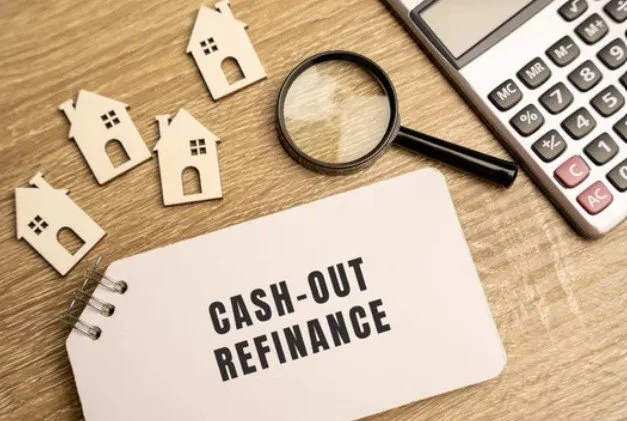
4. Cash-Out Refinancing
If you have substantial equity in other properties, you might consider cash-out refinancing to generate the funds needed for your reverse exchange.
Advantages:
· Lower interest rates than short-term options
· Longer repayment terms
· Uses existing property equity
Considerations:
· Longer approval process may not meet exchange timelines
· Increases leverage on existing properties
· May require significant equity positions
-
![Two people shaking hands over a table with documents and a calculator, with a digital overlay of dollar signs and house icons representing real estate or financial exchange.]()
5. Private Lending and Partnerships
Some investors turn to private lenders or form partnerships to finance reverse exchanges. This might include borrowing from retirement accounts, family members, or investment partners.
Advantages:
· Potentially flexible terms
· Faster than institutional lending
· May offer creative structuring options
Considerations:
· Personal relationships at risk if deals go poorly
· May lack professional servicing and documentation
· Potential tax and legal complications



Key Financial Considerations
Carrying Costs
During a reverse exchange, you'll face doubled carrying costs including:
Property taxes on both properties
Insurance premiums
Maintenance and utilities
Loan payments or interest charges
Qualification Requirements
Most lenders will require:
Strong credit scores (typically 700+)
Substantial liquid assets for down payments and reserves
Proven real estate investment experience
Low debt-to-income ratios
Detailed exit strategy for completing the exchange
Timing Pressures
The 180-day exchange deadline creates significant pressure to sell your original property. Price your property competitively from the start, as holding out for top dollar could jeopardize the entire exchange if you run out of time.
Steps to Secure Financing
-

1. PLAN EARLY
Start exploring financing options before you identify your replacement property. Having pre-approval letters can make your offers more competitive.
-

2. Shop Multiple Lenders
Compare terms from bridge lenders, portfolio lenders, and hard money sources. Even small differences in rates and fees can significantly impact your costs.
-
3. Prepare Documentation
Gather financial statements, tax returns, property information, and investment experience documentation before applying.
-

4. Coordinate with Your Team
Ensure your qualified intermediary, attorney, accountant, and lender all understand the reverse exchange timeline and requirements.

Common Pitfalls to Avoid!
Insufficient Reserves: Don't spend all available cash on the down payment. Maintain substantial reserves for carrying costs and unexpected expenses.
Overoptimistic Sale Timelines: Market your original property aggressively and price it realistically. A property that doesn't sell quickly can derail the entire exchange.
Inadequate Due Diligence: Don't rush the replacement property purchase. Thorough inspections and analysis remain critical even under time pressure.
Ignoring Exit Strategies: Have backup plans if your original property doesn't sell within the exchange period, including the ability to complete the financing permanently if needed.

Successfully financing a reverse 1031 exchange requires understanding your options, planning ahead, and working with experienced professionals. While the additional complexity and costs can be significant, the ability to secure prime replacement properties while deferring capital gains taxes makes reverse exchanges valuable tools for serious real estate investors. Remember that every situation is unique, and what works for one investor may not be appropriate for another. Consult with qualified tax advisors, attorneys, and financial professionals to determine if a reverse 1031 exchange aligns with your investment goals and financial capabilities.

Reverse 1031 exchanges can be powerful tools for building wealth while deferring taxes, but they require significant capital and careful planning. The financing costs and complexity mean they work best for investors with substantial resources and experience. Before proceeding, carefully analyze whether the benefits of acquiring your preferred replacement property justify the additional costs and risks. Consider working with experienced professionals who understand both the tax implications and financing requirements of reverse exchanges.